
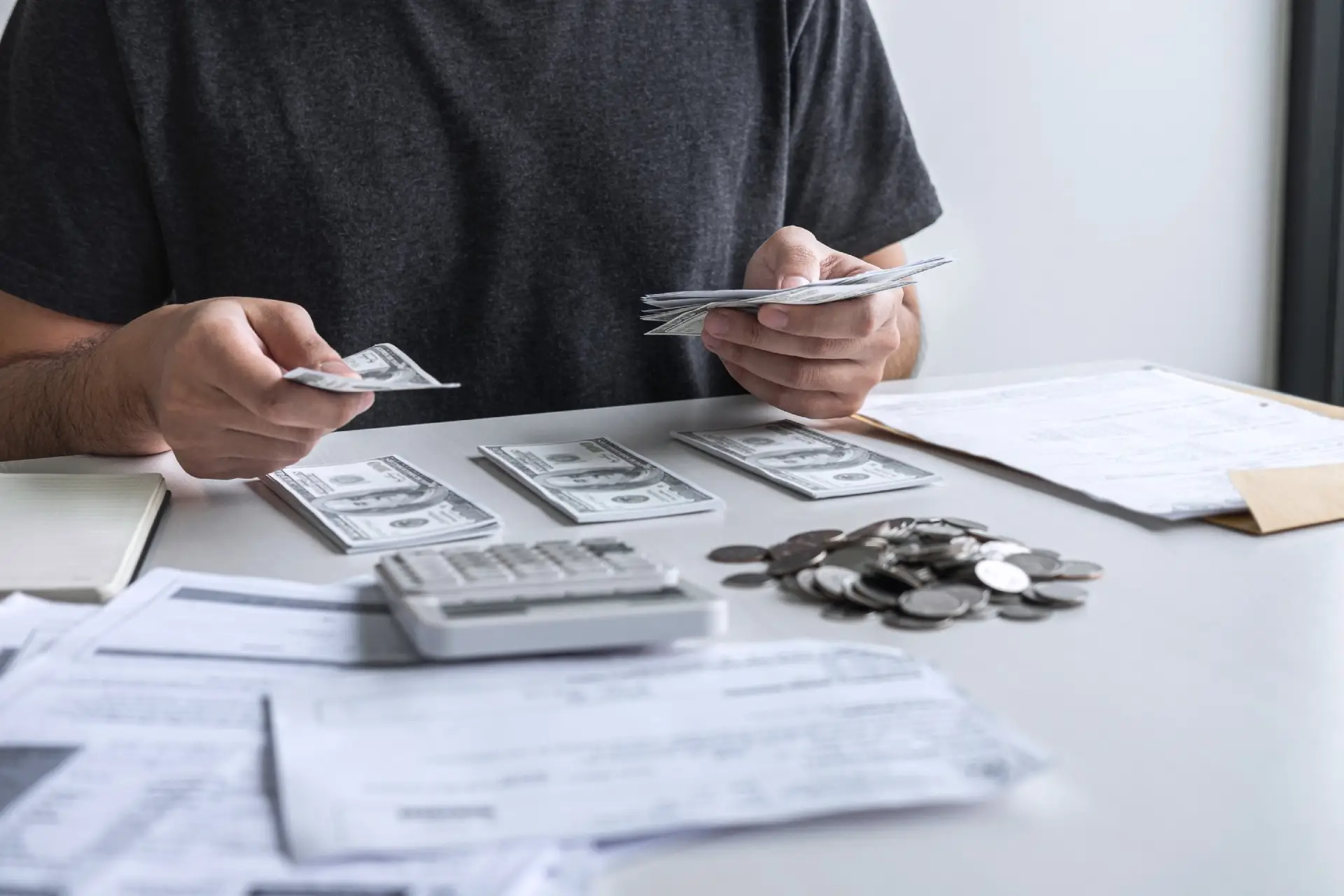
Unexpected bills can disrupt even the most carefully planned budget, but handling them effectively is crucial for maintaining financial stability. Here are some key strategies to prioritize and manage surprise expenses:
1. Assess the Situation
When an unexpected bill arrives, take a moment to assess its urgency. Determine if it’s a necessity, such as a medical expense or car repair, or if it can be delayed without severe consequences. Prioritizing immediate needs helps you manage essential costs first.
2. Review Your Budget
Examine your current budget to identify areas where you can cut back temporarily. Look for non-essential expenses, such as dining out or entertainment, that can be reduced or postponed. Redirecting these funds towards the unexpected bill can help cover the immediate cost.
3. Tap Into Emergency Savings
If you have an emergency fund, this is the time to use it. Emergency savings are designed to cover unexpected expenses without derailing your financial plan. Withdraw only what is necessary and prioritize rebuilding your fund once the bill is paid.
4. Negotiate Payment Terms
Contact the bill issuer to discuss possible payment arrangements. Many service providers and creditors are willing to offer extended payment plans or temporary relief in case of financial hardship. Negotiating terms can help you manage the expense without overwhelming your budget.
5. Prioritize High-Impact Bills
Focus on paying bills that have the most significant impact on your daily life first. For example, prioritize housing, utilities, and transportation expenses to ensure that your essential needs are met. Other less critical bills can be addressed afterward.
6. Use Available Resources
Explore available resources such as community assistance programs, insurance claims, or employer benefits that might help cover the unexpected expense. These resources can provide temporary relief and help you manage the financial burden.
7. Adjust Your Spending
Temporarily adjust your spending habits to accommodate the unexpected bill. This might include cooking at home instead of eating out, pausing subscriptions, or postponing non-essential purchases. Small adjustments can free up funds to cover the extra cost.
8. Consider Taking Out a Loan
If other options are insufficient, consider taking out a loan to cover the unexpected expense. Opt for loans with favorable rates and terms. Be cautious of the long-term impact on your finances and have a clear plan for repayment to avoid additional debt stress.
Conclusion
Prioritizing and managing unexpected bills is essential for maintaining financial stability. By assessing the urgency of the expense, reviewing your budget, utilizing emergency savings, and negotiating payment terms, you can address surprise costs effectively. Adjust your spending temporarily, consider taking out a loan if necessary, and seek available resources to ease the burden. Plan for future unexpected bills by building a robust emergency fund. With thoughtful prioritization and proactive planning, you can handle financial surprises with confidence.